
| By TruLight of the Midlands
A permanent lighting system is a chain of visible and serviceable parts: light nodes, mounting channel, power and control components, app access, and the records that connect the homeowner to future support.
This guide explains those components and the support questions attached to them. Use the separate proposal comparison guide when you need to compare coverage and quote inclusions.
What is actually being installed on the home?
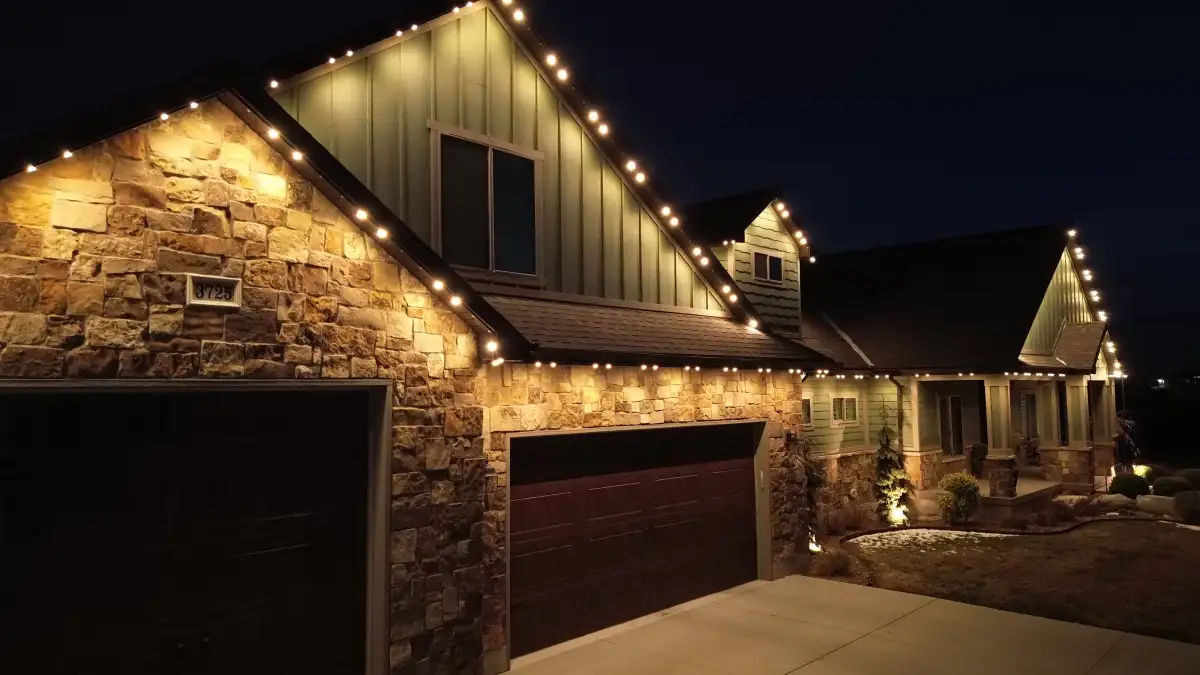
A permanent roofline system typically brings together light nodes, a low-profile mounting channel, power and control components, and an app. Ask where each visible and serviceable part will go. The proposal should identify the roofline sections that receive channel, the planned controller and power locations, and any transitions around peaks, gutters, corners, or changes in fascia.
Do not judge the design only while the lights are on. Because the system stays installed throughout the year, ask how the channel relates to your trim and where it begins and ends. A clear daytime plan is especially important when a front elevation includes several materials, roof pitches, or garage returns.
Which parts can be identified and serviced separately?
Ask whether the final documentation distinguishes the light sections, controller, power components, zones, and app account. If a problem affects one roofline section, you should be able to describe that location without treating the entire installation as one unnamed system.
Also ask which parts are supplied by the product manufacturer and which work belongs to the installer. That distinction matters when a future question involves replacement hardware, workmanship, app access, or a controller rather than the light nodes themselves.
How should app controls and zones work?
Ask for a demonstration of the actions you will repeat: turning the system on and off, changing brightness, saving a warm-white scene, setting a schedule, and selecting a holiday pattern. If the plan includes multiple zones, confirm which roofline sections each zone controls and whether the layout matches the way you expect to use the home.
Also discuss connectivity and household access. The installer should explain where the controller belongs, how other household members use the system, and what to do after a phone or home-network change. Homeowners who want more detail on scenes and schedules can review TruLight’s smart outdoor lighting options.
What maintenance and service should you expect?
Permanent does not mean that a system can never need attention. Ask what simple checks or cleaning a homeowner can perform, which symptoms should start a service request, and how troubleshooting is handled. Keep the final zone layout, controller information, app access, and service contact with your home records.
Some lighting discussions use the phrase maintenance factor to describe expected changes in delivered light over time. For a homeowner, the useful questions are practical: how should the installed channel and light openings be kept clear, what normal light-output changes should you expect, and what happens if a section stops responding? If a proposal uses a calculated maintenance factor, ask for a plain-language explanation tied to the actual system.
What do the warranty and service terms cover?
Ask for the applicable terms in writing and separate product coverage from workmanship coverage. Confirm their length, exclusions, who provides service, how a claim starts, and whether labor, roof access, shipping, or replacement components are treated differently. A broad warranty label is less useful than knowing the steps and possible costs when something needs attention.
Also ask whether future service depends on a specific installer, app, controller, or replacement part. The answer helps you compare long-term support instead of focusing only on the installation date.
Which records should the installer leave with you?
Keep the final zone layout, controller location, app-account owner, installer contact, and written product and workmanship terms. A photo of the controller label and a plain-language list of zone names can save time after a new phone, router change, or service request.
How should a service request begin?
The handoff should name the service contact and the information to provide. A useful request identifies the affected section or zone, explains what happens in the app, notes when the issue began, and includes a photo or video when practical.
Ask whether the installer handles the first diagnosis and how manufacturer-supplied parts, roof access, labor, and replacement sections are coordinated. This turns a general promise of support into a usable path.
Before booking, make sure the proposal answers these questions
- Where will the channel, controller, power components, and visible transitions go?
- How are light sections and app zones named in the final records?
- Who owns the app account, and how does another household member get access?
- Which issues fall under product coverage and which fall under workmanship coverage?
- Who receives the first service request, and what information should it include?
- How are labor, roof access, shipping, and replacement sections handled?
If any answer is still general, ask for it to be tied to your home and written scope. Last week’s guide offers a second way to compare roofline fit, controls, and service expectations before booking.
Frequently asked questions
What components make up a permanent lighting system?
A roofline system commonly includes light nodes, mounting channel, power and control components, app access, and the connections between sections. Ask the installer to identify the parts and locations used for your home.
What system information should I keep?
Keep the zone layout, controller location and label, app-account owner, installer contact, and written product and workmanship terms with your home records.
What warranty questions should I ask about permanent house lights?
Ask for the product and workmanship terms in writing, including their length, exclusions, who provides service, whether labor and access are covered, and how replacement components are handled. Product coverage and installation coverage may be different.
What maintenance should permanent lighting need?
Ask how to keep the channel and light openings clear, what visual or app checks you can perform, how troubleshooting begins, and which repairs require service. If a proposal mentions a maintenance factor, have the installer explain what it means for expected light output and care in plain language.
How do I report a problem with one lighting section?
Name the affected section or app zone, explain what command you selected and what the lights did, note when the issue began, and share a photo or video if practical. Use the service contact supplied at handoff.
Discuss permanent lighting for your Camden home
TruLight of the Midlands can review your roofline, the views that matter after dark, your everyday and seasonal lighting goals, and the access and control details that shape a clear proposal.