
| By TruLight of the Midlands
A permanent lighting proposal is easier to judge when it shows exactly what will be installed, how the system will work on ordinary evenings, and what happens if it needs attention later. Before reserving a date, turn the sales conversation into a written plan for your Camden home.
This checklist builds on TruLight’s permanent lighting service and the local planning points on the Camden, SC service-area page. It focuses on the questions that make two proposals genuinely comparable.
1. Are you choosing year-round lighting or mainly holiday convenience?
Begin with the nights you expect to use the system. Permanent roofline lighting can support warm-white architectural scenes, lower-brightness everyday use, holiday color, celebrations, and scheduled scenes. That flexibility only matters when it matches your household.
Write down three scenes you would use during a normal month and three seasonal or event scenes you care about. Ask to see the everyday white setting at the brightness you would actually choose, not only the most colorful effect. If nearly all of your expected use falls within one season, compare the permanent system with professional holiday lighting before deciding.
2. Which Camden roofline views belong in the first phase?
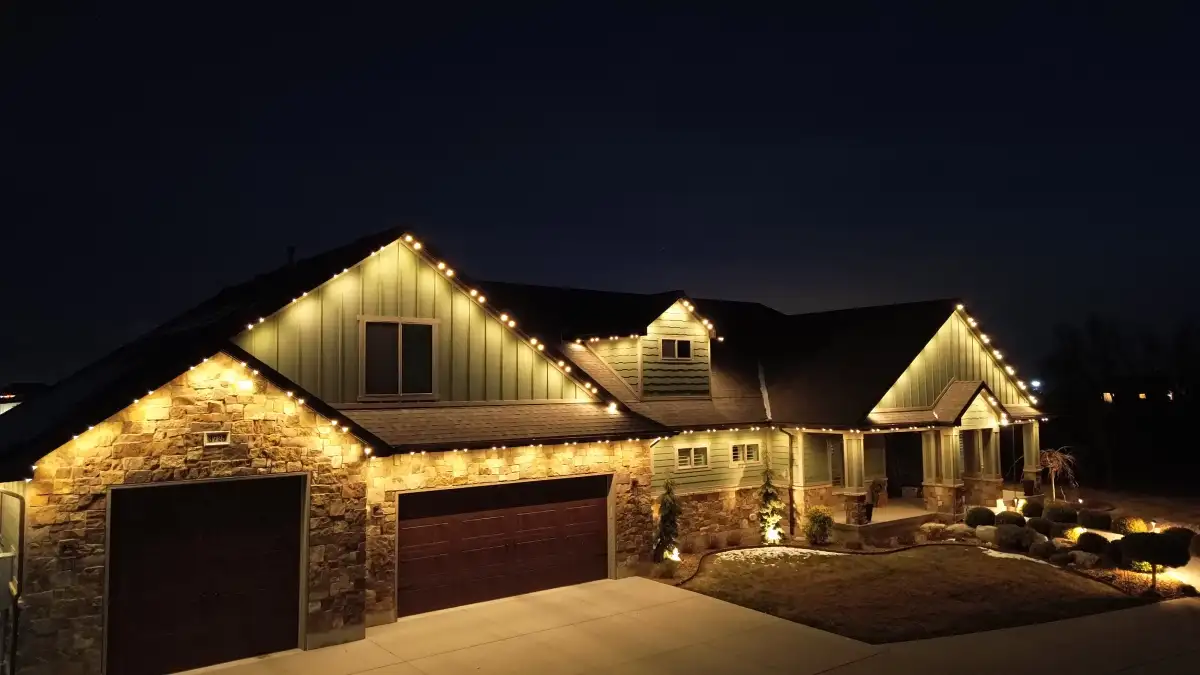
Coverage should start with how the home is seen after dark. Walk to the street, driveway, main entry, and any patio or outdoor area you use regularly. A front roofline may matter most for curb appeal, while a garage return, porch line, or side gable may do more for the view people see when arriving.
Camden properties vary in roof pitch, fascia depth, gutter placement, trim color, tree cover, setbacks, available power, and access around the home. Those conditions can change both visibility and installation planning. Mark the elevations that are essential and the ones that could wait for a later phase. This keeps a lower price from being mistaken for the same amount of coverage.
3. Does the quote define the complete installed scope?
There is no useful average cost without a measured scope. Ask the proposal to identify each included elevation, peak, return, porch line, and garage section. It should also show where the mounting channel begins and ends, where power and control components are planned, and how transitions around corners, gutters, or changes in trim will be handled.
Then separate the price into understandable inclusions. Confirm the lighting and control equipment, installation, app setup, scene or zone configuration, walkthrough, cleanup, and any work that is excluded. Roofline length is important, but height, access, mounting surfaces, power needs, controller placement, and zone count can also change the work. TruLight’s outdoor lighting installation overview provides more context on access, layout, and final setup.
4. How will the system look off and operate when it is on?
A permanent system stays on the home during the day, so compare the mounting channel with the fascia or trim instead of judging only nighttime photos. Ask where the channel and visible transitions will sit, especially around roof peaks, material changes, and garage returns. The goal is to know what will be noticeable from the ground when the lights are off.
For the controls, request a demonstration of the actions your household will repeat: turning the system on and off, adjusting brightness, selecting warm white, saving a scene, creating a schedule, and choosing a zone. Confirm which roofline sections belong to each zone and how another household member gets access. Ask what happens after a phone, router, or home-network change. More detail on scene planning is available in TruLight’s smart outdoor lighting guide.
5. What maintenance, warranty, and service terms are in writing?
“Permanent” describes an installed system; it does not mean no component can ever need cleaning, troubleshooting, or service. Ask which homeowner checks are appropriate, what should remain clear of debris, which symptoms should start a service request, and how a nonworking section is diagnosed.
If the phrase maintenance factor appears, ask for a plain-language explanation. In lighting planning, it refers to expected light output after normal changes such as dirt buildup and aging. For a homeowner, the useful details are the recommended care, expected changes in output, and the service path when a section behaves differently.
Review product and workmanship coverage separately. The written terms should identify their length, exclusions, claim process, service provider, and how labor, roof access, shipping, controllers, or replacement sections are treated. A long warranty headline is not enough to compare future support.
6. Is the Camden property ready for an installation date?
Once the design and quote are clear, settle the site details that affect scheduling. Confirm access around the home, gate instructions, parked-vehicle clearance, pets, controller and power locations, and any area that must remain usable during the work. Ask for timing based on the measured roofline and access rather than a general promise; height, complexity, weather, power work, and app setup can all affect the schedule.
Homeowners should also check rules that apply to their own property or association. If an approval or electrical change is needed, decide who is responsible before booking. A short pre-install checklist prevents an unresolved site condition from becoming an installation-day decision.
A one-page checklist for comparing permanent lighting proposals
- Purpose: the everyday, seasonal, and event scenes you expect to use.
- Coverage: every included elevation, peak, return, porch, and garage line.
- Daytime fit: mounting-channel color, placement, endpoints, and transitions.
- Controls: controller location, zones, schedules, household access, and network-change steps.
- Quote: equipment, installation, setup, walkthrough, cleanup, exclusions, and later-phase options.
- Ownership: care guidance, troubleshooting path, and written product and workmanship terms.
- Readiness: access, power, timing assumptions, property rules, and any required approvals.
Keep this page beside the proposal and mark each item only when the answer is specific to your property. For a deeper explanation of system components and service questions, read the previous guide to permanent lighting scope, controls, maintenance, and warranty terms.
Frequently asked questions
How much does permanent lighting cost for a Camden home?
A useful price starts with a measured scope, not a broad average. Roofline length, height and access, peaks and returns, mounting surfaces, power and controller locations, and the number of control zones can all affect the proposal. Ask for every included elevation and component to be listed.
Are permanent house lights worth it?
They can make sense when a household expects to use everyday warm-white lighting as well as recurring holiday or event scenes. Compare your likely year-round use, the daytime appearance, control options, initial commitment, and written service terms with seasonal lighting alternatives.
What does maintenance factor mean in lighting?
Maintenance factor is a planning term for the light output expected to remain after normal changes such as dirt buildup and aging. Homeowners should ask what cleaning or inspection is recommended, what output changes are normal, and how a nonworking section is diagnosed and serviced.
What warranty options should I compare for permanent house lights?
Compare product and workmanship terms separately. Ask for the length, exclusions, claim process, service provider, and treatment of labor, roof access, shipping, controllers, and replacement light sections in writing. Coverage labels alone do not show what a future service visit may include.
What should be settled before permanent lighting installation is booked?
Confirm the covered roofline sections, mounting-channel color and placement, controller and power locations, app zones, included setup and cleanup, property access, scheduling assumptions, exclusions, and written product and workmanship terms. Any required property or association approval should also be resolved.
Bring your Camden roofline questions to TruLight
TruLight of the Midlands can discuss the views you want lit, the everyday and seasonal scenes you expect to use, roofline access, control goals, and the details that belong in a home-specific proposal.