
| By TruLight of the Midlands
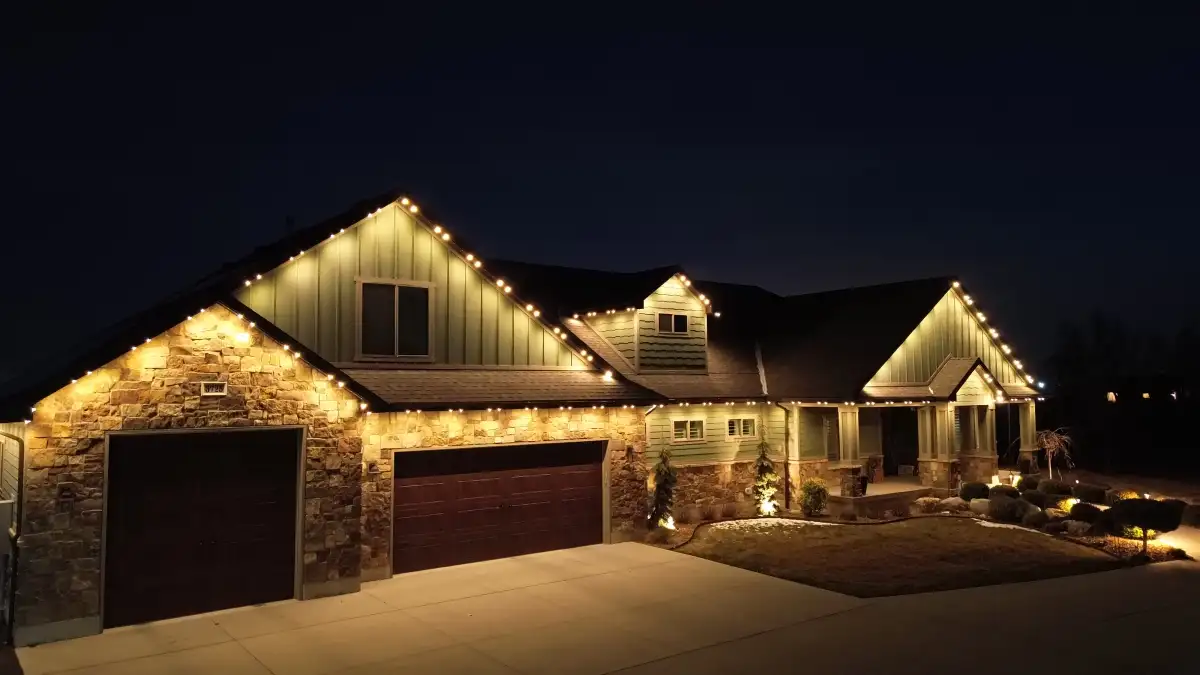
The most impressive color pattern is rarely the most important part of a permanent lighting decision. Before booking, Camden homeowners should be able to picture the system on an ordinary weeknight, understand exactly which roofline sections are included, and know what support looks like after installation.
This guide focuses on the decisions that make one proposal meaningfully different from another. It is a useful companion to TruLight’s permanent lighting service and the local options outlined on the Camden, SC service-area page.
1. What do you want the lights to do most weeks?
Start with normal use, not the biggest holiday effect. Decide whether you want a warm-white roofline for evening curb appeal, scheduled light near an entry or driveway, seasonal color, or a mix of those uses. This determines whether one scene and one zone will feel sufficient or whether separate parts of the home should operate independently.
Ask to see the everyday white setting at more than one brightness level. If your plan only feels worthwhile during December, temporary holiday lighting may still be the better match. If you expect to use the system for ordinary evenings, celebrations, game days, and holidays, permanent lighting has a broader job to do.
2. Which roofline views should the first phase cover?
Price comparisons become misleading when two proposals cover different parts of the house. Identify the views that matter from the street, driveway, main entry, and outdoor areas you use. Peaks, garage returns, porch lines, side gables, and rear-facing sections can all change both the appearance and the amount of installation work.
Ask for the included elevations to be shown or named. Camden properties with deeper setbacks, mature tree cover, corner-lot views, or several roofline changes may need a different priority order than a home with one dominant front elevation. TruLight’s design and consultation service can help turn those viewing angles into a defined scope.
3. How will the installation look when the lights are off?
Permanent lighting stays on the home all year, so the daytime view deserves the same attention as the nighttime demonstration. Ask where the mounting channel begins and ends, how its color relates to the trim, and how corners, peaks, gutters, fascia changes, and wire transitions will be handled.
Also confirm where the controller and power components will sit. A low-profile roofline plan should be reviewed from the ground before installation, especially on the elevations you see every day. Photos of the proposed track color or a clear explanation of placement are more useful than assuming every system disappears in daylight.
4. Will the controls fit your household?
Ask for a walkthrough of the tasks you will actually use: changing brightness, saving a warm-white scene, setting an on-and-off schedule, choosing a holiday pattern, and controlling separate zones. If more than one person will operate the system, clarify how household access works.
The planning conversation should also cover controller placement, connectivity, and what happens when a phone, router, or network changes. A detached garage, exterior materials, distance, and zone layout can affect the control plan. Homeowners who want deeper scheduling options can compare TruLight’s smart outdoor lighting service.
5. Are you comparing the same proposal scope?
A permanent lighting quote should connect the price to a specific layout. Roofline length matters, but height, access, mounting details, power, controller location, the number of peaks and returns, and the number of zones may also change the work involved.
Before comparing totals, look for these details:
- Every included elevation and any excluded roofline section
- Mounting-channel placement and visible transition points
- Power, controller, connectivity, and control-zone plans
- Equipment and installation included in the quoted scope
- Preparation, access, scheduling, cleanup, and exclusions
A lower number is not automatically a better value if it leaves out a side return, a control zone, or installation details included elsewhere.
6. What happens when the system needs attention?
Ask for the applicable product, workmanship, maintenance, and service terms in writing. They may not cover the same things. Clarify how a service request begins, who handles troubleshooting, and how labor, access, and replacement components are treated.
It is also worth asking what information you will receive after installation. App access, controller details, the final zone layout, and a contact path for questions can make future troubleshooting much easier. Do not rely on a broad promise when the proposal can state the process clearly.
7. What must be settled before the installation date?
Before booking, confirm the final roofline scope, track and controller locations, power plan, access needs, schedule, and cleanup expectations. Ask whether vehicles, gates, outdoor furniture, pets, or vegetation need to be moved so the work area is ready.
Homeowners should also verify any applicable neighborhood, association, or property requirements. Rules vary by property, and a project that needs electrical changes or another approval should identify who is responsible before the date is reserved.
A quick booking-readiness check
You are ready to make a more informed decision when you can answer all five of these questions:
- Which views and roofline sections are included?
- How will the channel and components look during the day?
- Can everyone who needs the system operate its everyday scenes and schedules?
- Does the proposal spell out equipment, access, exclusions, and service terms?
- Are property requirements and installation-day preparation settled?
If one answer is still vague, resolve it before booking. For more context, see last week’s guide to roofline, control, and proposal questions.
Frequently asked questions
How much does permanent lighting cost in Camden, SC?
A site-specific quote depends on the measured roofline, the elevations included, height and access, mounting details, power and controller locations, and the number of control zones. Compare the included scope rather than relying on a generic price per house.
Are permanent Christmas lights worth the cost?
They can make sense if you want everyday roofline lighting and recurring seasonal displays without rehanging temporary strands each year. Value depends on how often you will use the system, how it looks during the day, how easy it is to control, and what the proposal and service terms include.
What are the downsides of permanent lights?
Permanent lighting requires a larger upfront commitment and more planning than temporary strands. The mounting channel remains on the home, the layout is not easily rearranged, and you depend on the installed controls and future service process.
What are the best permanent lights for a Camden home?
The best fit is a system and layout that suits your roofline and trim, produces an everyday white appearance you like, provides practical zones and schedules, and comes with clearly documented equipment and service terms.
What should I ask before accepting a permanent lighting proposal?
Ask which elevations are included, where the channel, power supply, and controller will be placed, how zones and schedules work, what preparation is required, what is excluded, and which product, workmanship, maintenance, and service terms apply.
Get clear answers for your Camden home
TruLight of the Midlands can review your roofline, viewing priorities, control goals, and installation considerations before preparing a permanent lighting scope. Bring the questions above to the conversation so the proposal reflects how you want the system to look and work throughout the year.