
| By TruLight of the Midlands
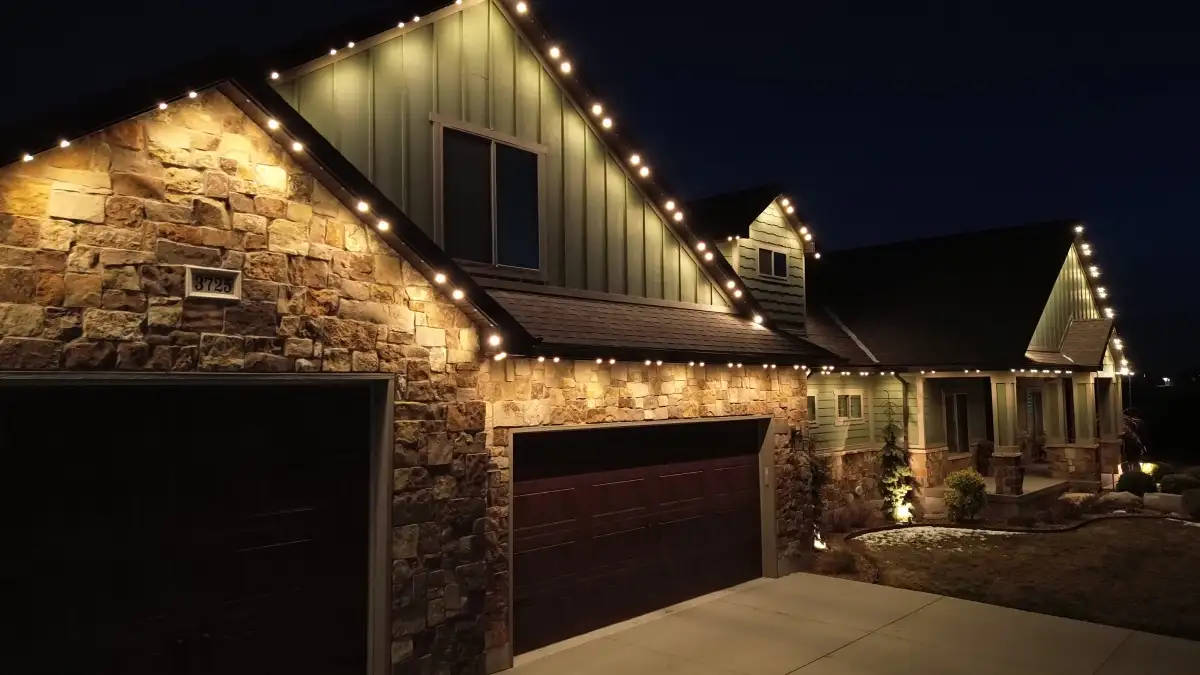
You do not need to light every roof edge to make the home read clearly after dark. A strong first phase follows the lines that define the house from its normal street and driveway views, then stops at architectural points that look intentional.
Camden homes can present very different silhouettes: long ranch rooflines, porch-heavy facades, multiple gables, recessed garages, corner-lot side views, and deeper setbacks behind mature trees. This guide is about selecting the visible composition—not app menus, holiday presets, or quote preparation.
Walk the Normal Approach to Your Home
Begin where visitors first see the property. Look from the road, the driveway entrance, and the point where a vehicle turns toward the house. The roofline that dominates those views deserves more attention than a section visible only from directly below.
Take a few photos from those positions before a design consultation. They provide a better record of the home's nighttime composition than one close photo of the front door.
Choose the Peak or Line That Defines the Facade
Most homes have one architectural move that carries the identity of the front: a central peak, a long porch line, a pair of matching gables, or a roof edge that ties the garage to the main house. Start there and ask which nearby lines need light to make that feature feel complete.
Lighting every small return can flatten the hierarchy. Leaving secondary edges dark can give the primary outline more depth, especially when warm entry or landscape lighting already supports the lower part of the scene.
Decide Whether the Garage Helps or Competes
A front-facing garage may occupy much of the arrival view, so omitting it can make the lighting feel unfinished. A recessed or side-facing garage may not need the same emphasis as the porch and main gables. The decision should follow what the garage contributes to the visible outline.
For a broad garage elevation, consider whether the upper roofline, lower return, or both belong in the first phase. The cleanest choice is the one that connects the garage to the house without making vehicle doors the brightest part of the property.
Account for Trees, Corners, and Deep Setbacks
Mature branches can interrupt a roofline from the street even when the line is fully visible near the house. On a wooded lot, a side gable seen through an opening may contribute more to curb appeal than a front section hidden by the canopy.
Corner lots create a second public view. Walk both streets and note where the roofline turns. A short side return can make the lighting feel complete without carrying the first phase across the entire side elevation.
Create a Natural Stopping Point for Phase One
A phased permanent lighting plan should not simply end wherever the budget runs out. Stop at a corner, roof transition, porch break, or other architectural boundary that looks finished from the main viewing angles.
Then identify where a later side, rear, or backyard phase could begin. Planning that connection now helps the first installation stand on its own while keeping future coverage visually coherent.
Evaluate Brightness From the Street
Curb appeal depends on balance, not maximum output. Roofline lighting should relate to porch fixtures, garage lights, windows, path lights, and the surrounding darkness. A bright outline over a dim entry can feel disconnected; a restrained roofline can let the home's materials and lower lighting remain visible.
Ask to establish an everyday brightness that works from the road. Color scenes can be more expressive for events, but the normal warm-white look should still preserve the shape and depth of the facade.
Frequently Asked Questions
Which roofline should a curb-appeal lighting project start with?
Start with the roofline that defines the home from its normal street approach. That may be the front peak, porch line, garage gable, or a visible side return rather than every edge at once.
Should a garage roofline be included in the first phase?
Include it when the garage dominates the arrival view or completes the visible outline. A recessed or side-facing garage may be less important than a porch or front gable.
How do trees affect street-facing roofline lighting?
Mature trees can hide parts of the roofline from the road and change how brightness reads across the facade. Review the view through existing branches before deciding which lines deserve priority.
Can a permanent lighting project be installed in phases?
A focused first phase can cover the strongest street and driveway views while the design reserves logical stopping points for later side, rear, or outdoor-living additions.
When should I evaluate a proposed roofline lighting plan?
Review the proposed coverage from the normal approach to the home and consider how it will read after dark. Street, driveway, porch, and corner-lot views may reveal different priorities.
Choose a First Phase That Looks Complete
TruLight can walk the main viewing angles with you and translate the most important peaks, porch lines, garage views, and returns into a focused permanent lighting plan.